Pavilion Architecture
Synthetic Bloom
A Pavilion Exploring Ecological Ornament and Material Transformation
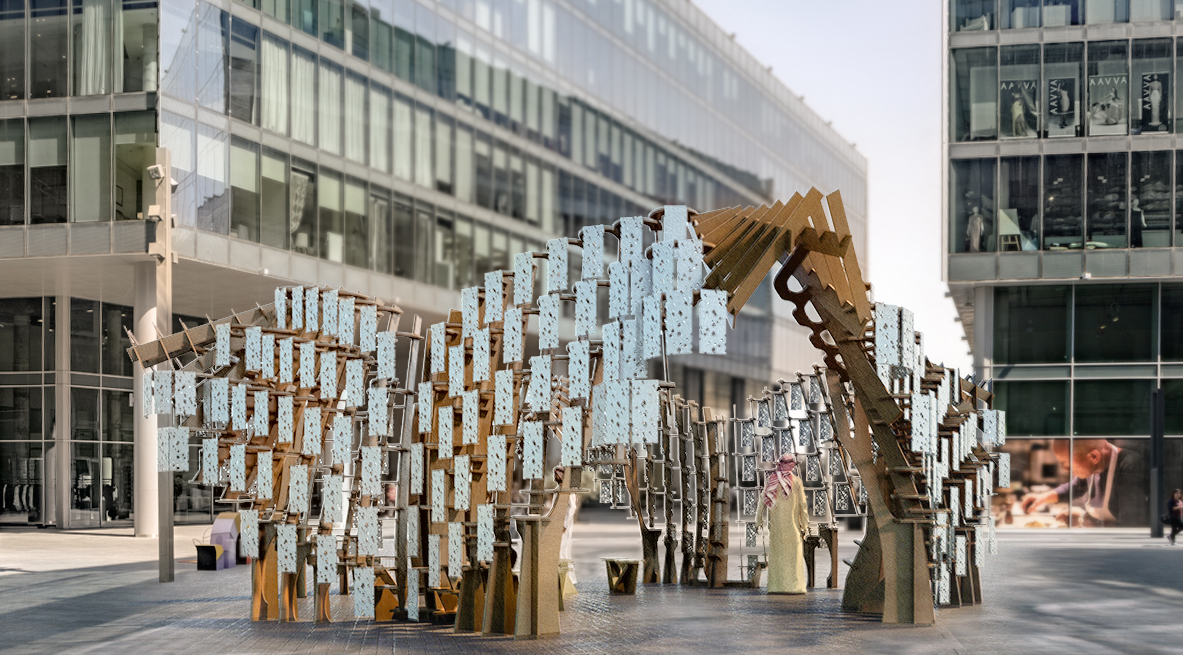
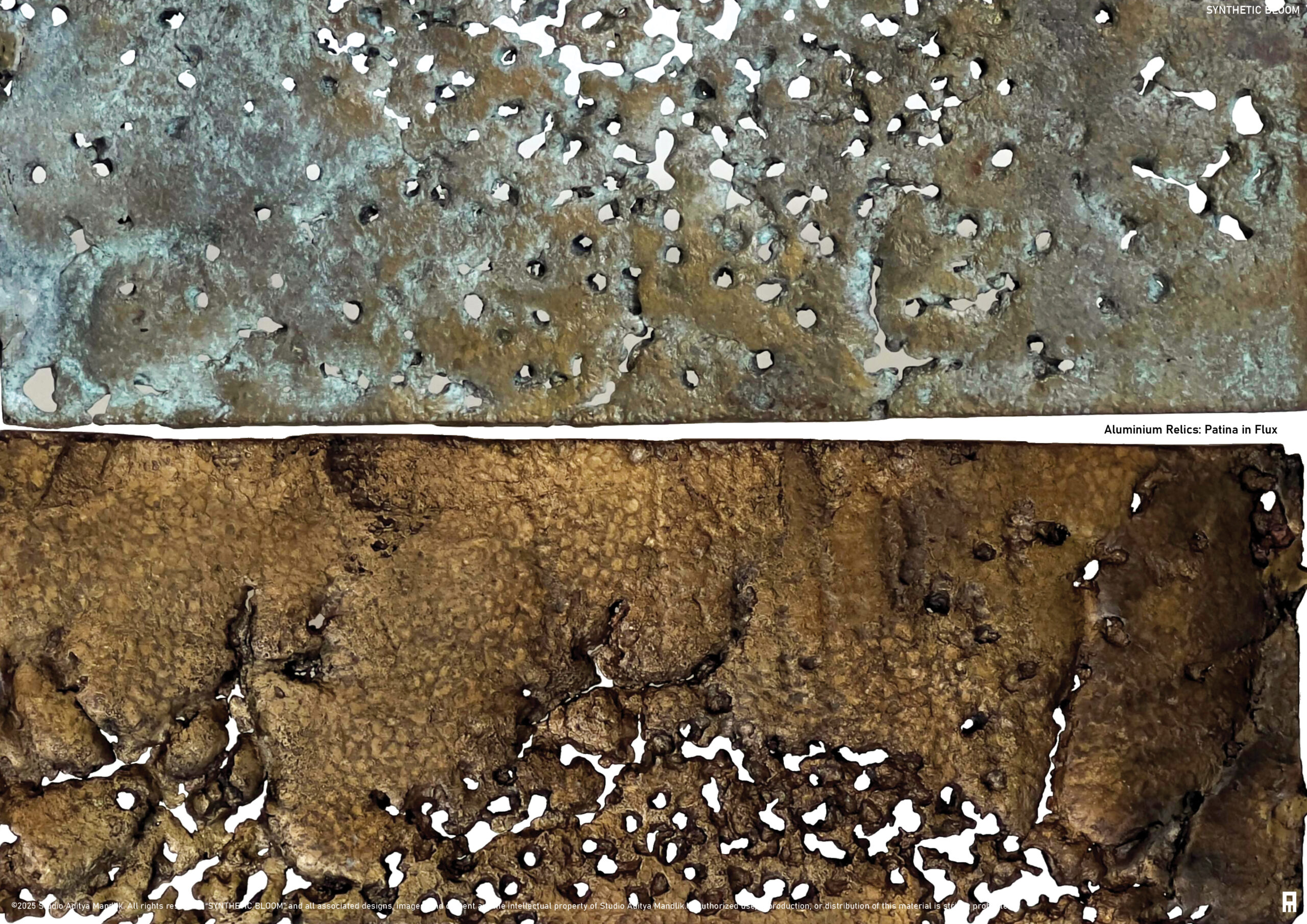
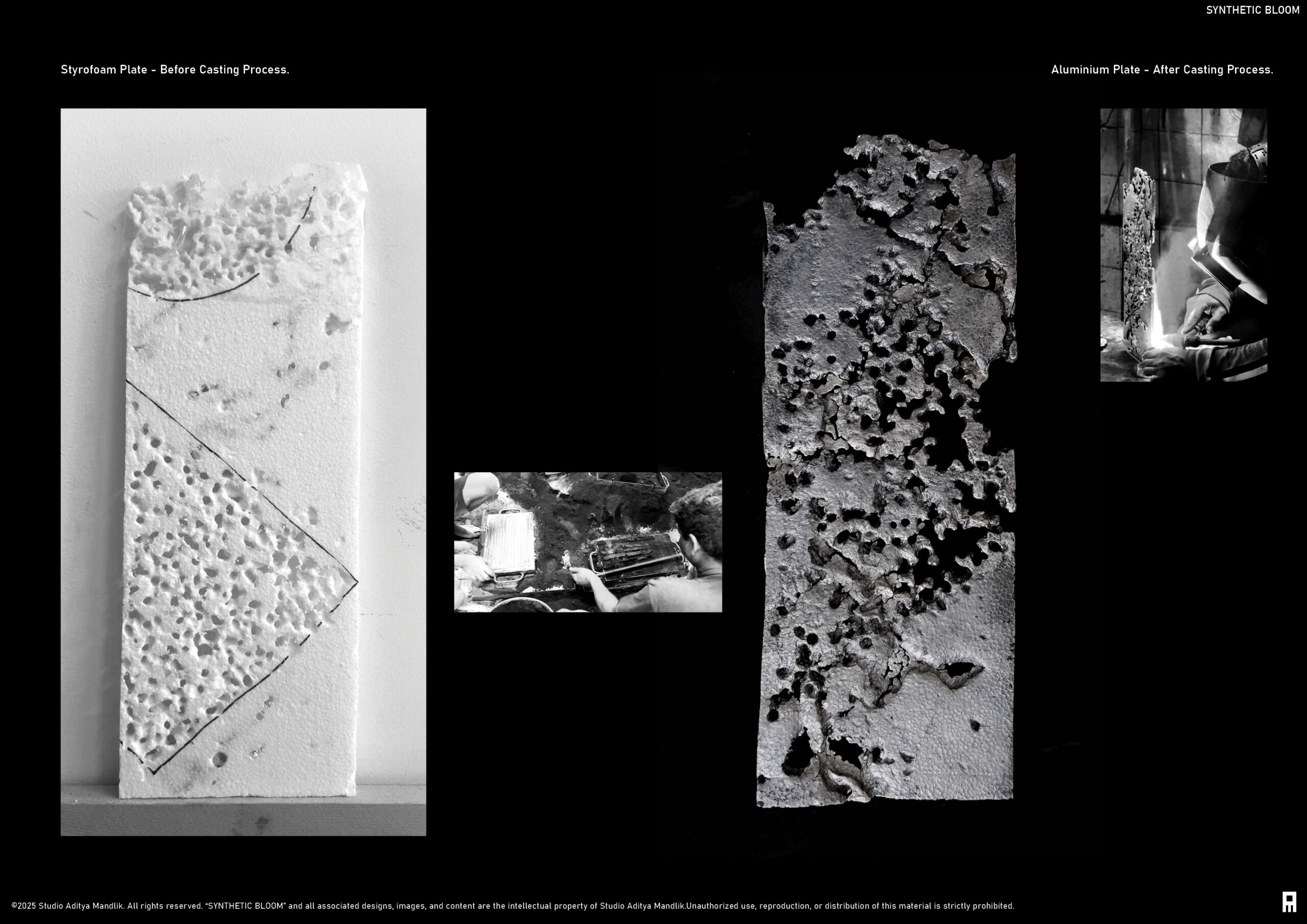
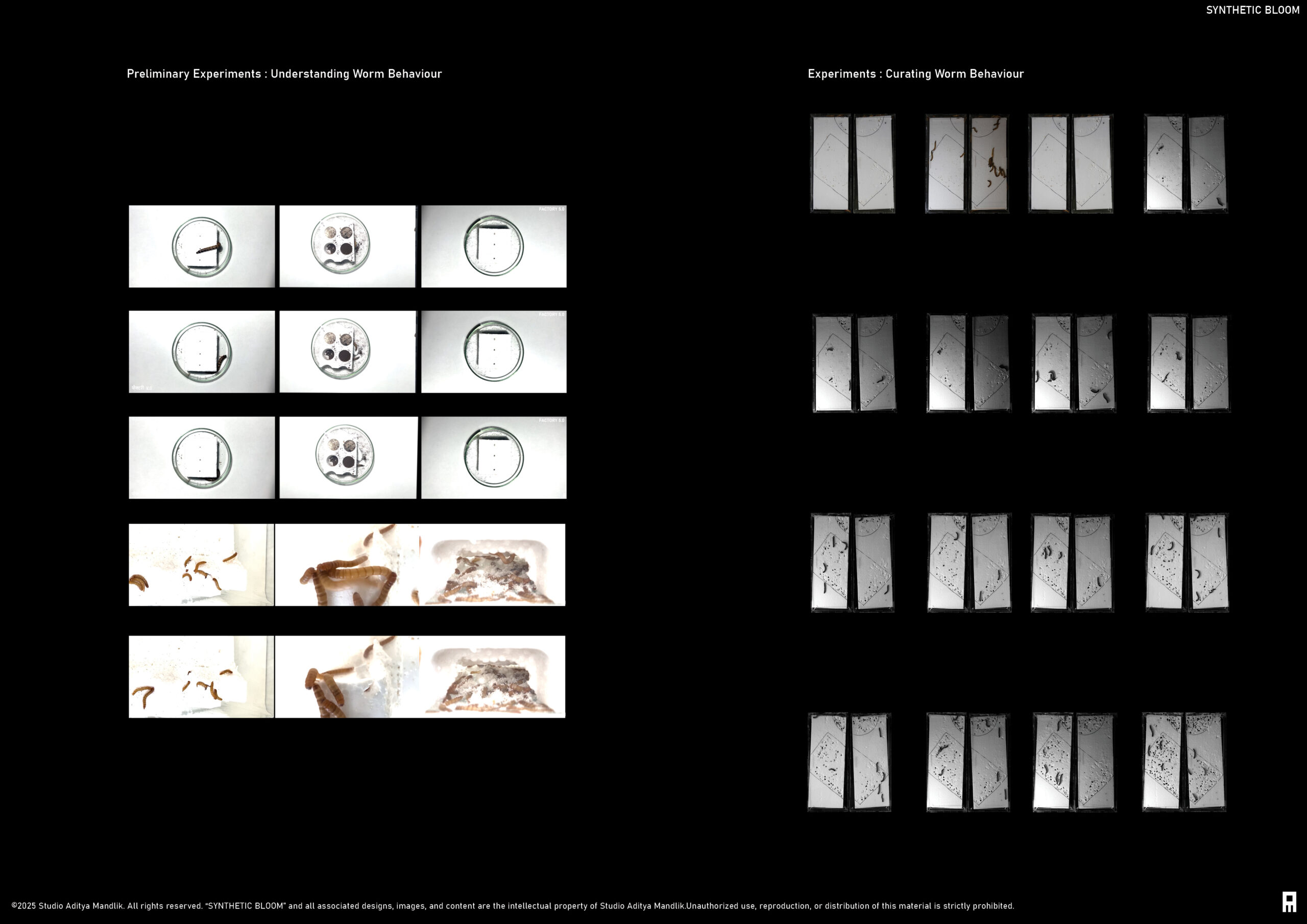
In today’s evolving design landscape, we stand at a critical threshold—one where beauty must speak the language of ecology, and ornament must move beyond surface aesthetics to become performance, memory, and meaning. Synthetic Bloom is a pavilion that embodies this shift. Rooted in the traditions of Indian architectural ornamentation, where jaali screens regulate climate and temple carvings narrate cultural histories, the project reimagines detail not as decoration, but as the outcome of a living system. At the core of Synthetic Bloom lies a narrative of material transformation. Plastic—once celebrated as a symbol of progress during the First Industrial Revolution—has become a defining ecological challenge of our time. This paradox was first explored in Factory 5.0, a pavilion exhibited in Mumbai in October 2024. Conceived as a living laboratory, the project collaborated with 10,000 King Worms, a species capable of digesting expanded polystyrene. Over time, these organisms partially decomposed 200 sculpted styrofoam panels, producing irregular voids that were later cast in molten aluminium. The resulting surfaces preserved decomposition as ornament—transforming decay into a lasting material memory.
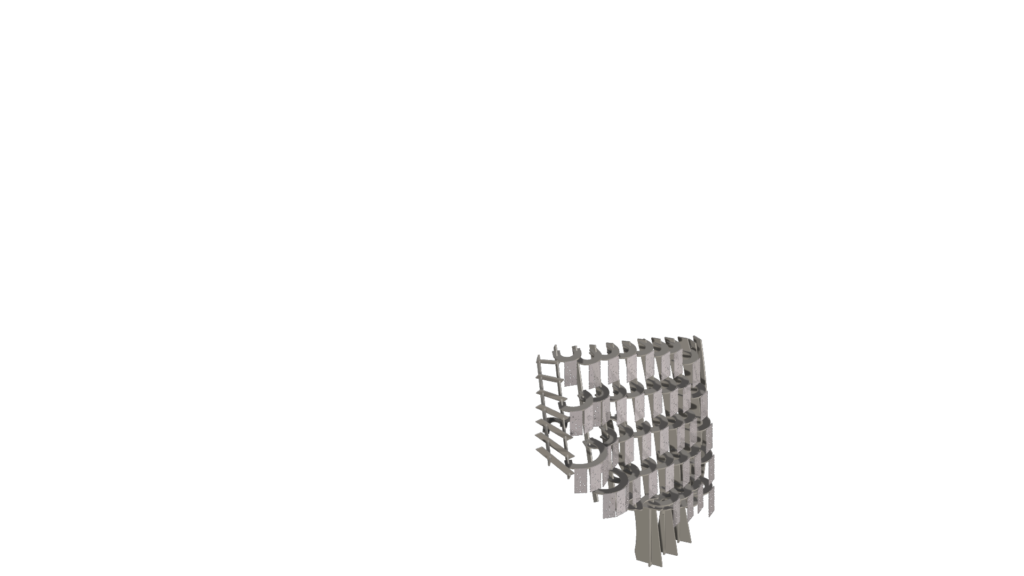
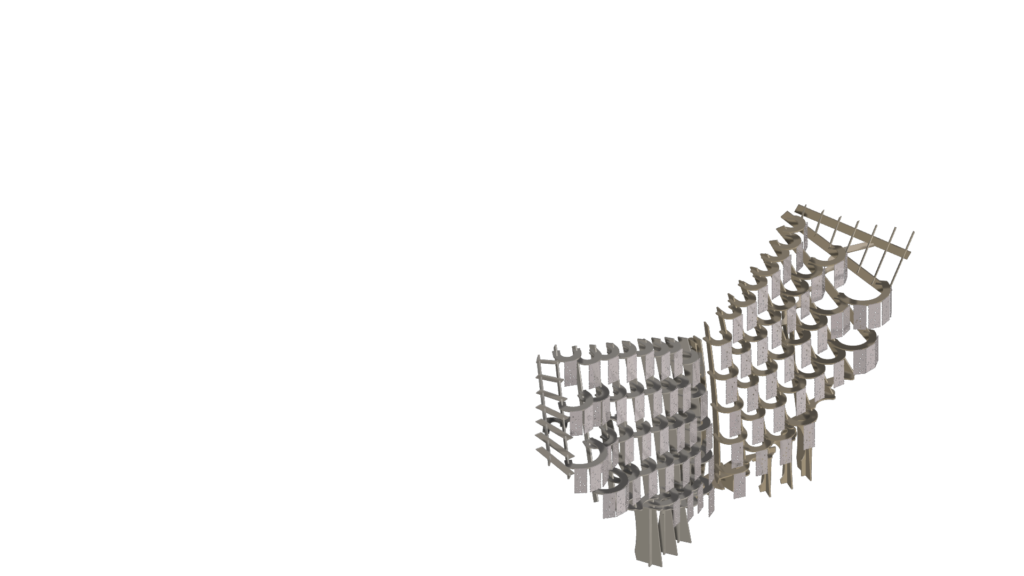
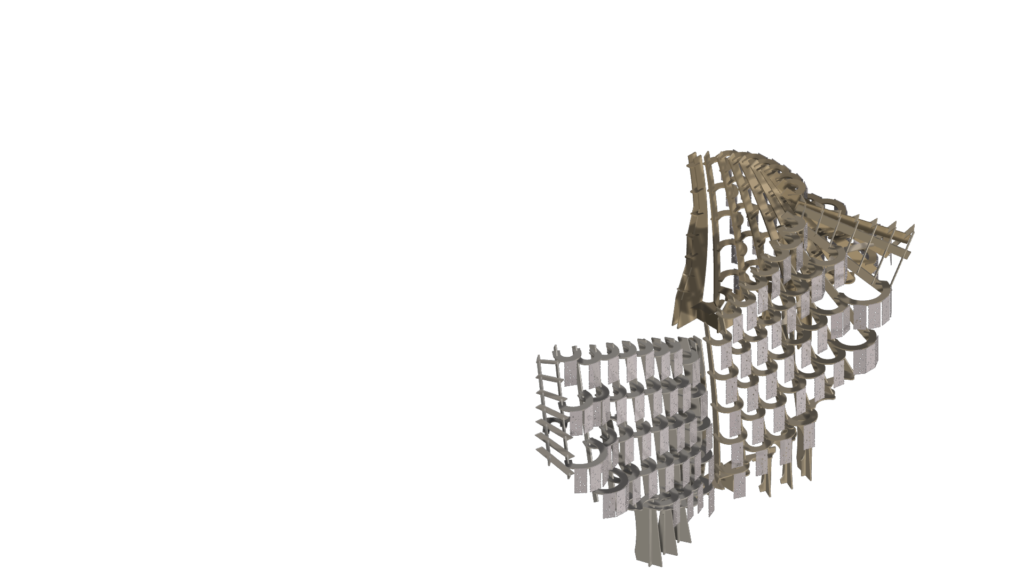
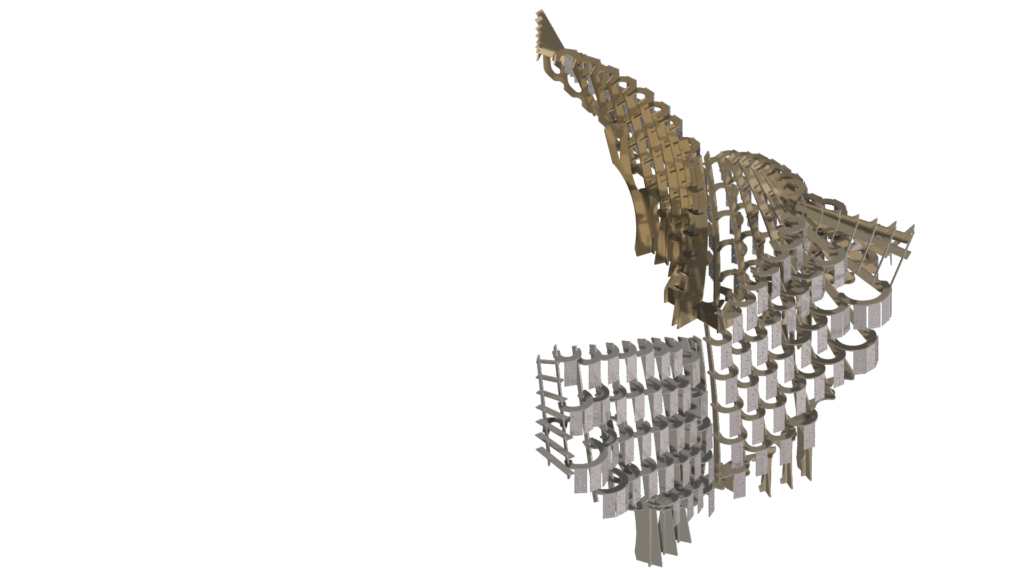
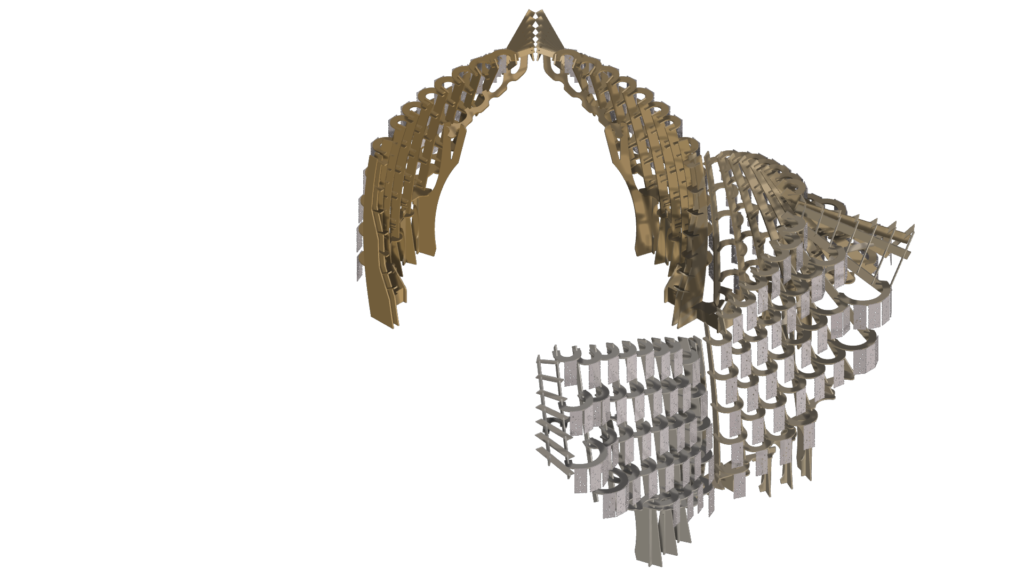

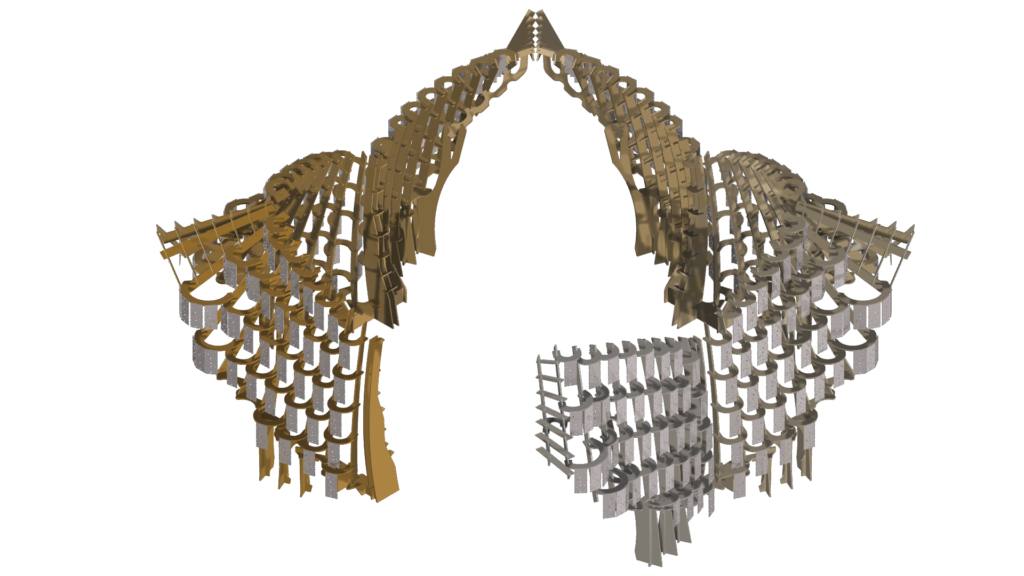
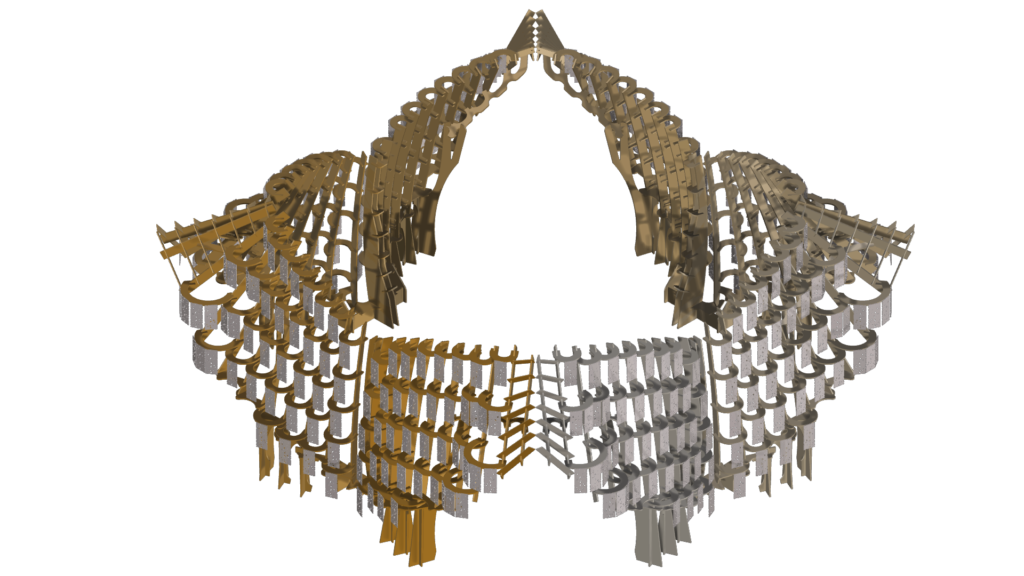
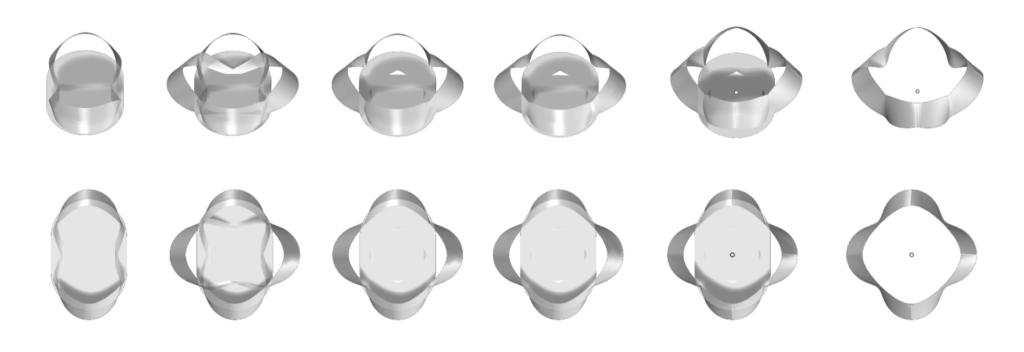
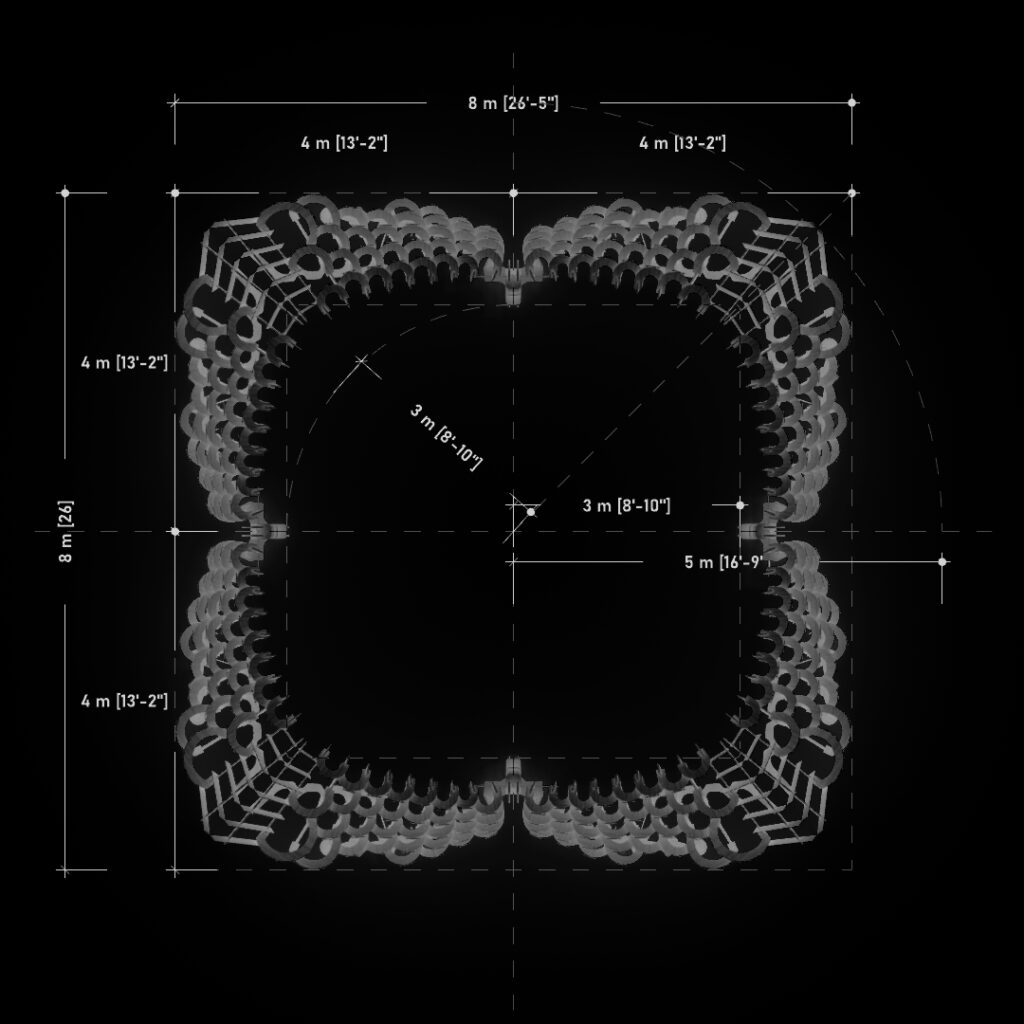
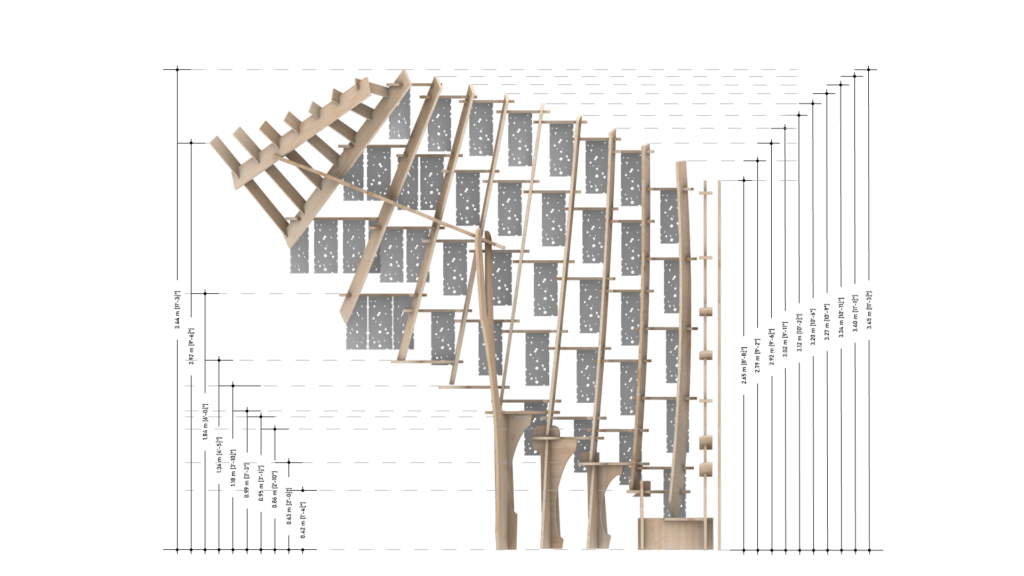
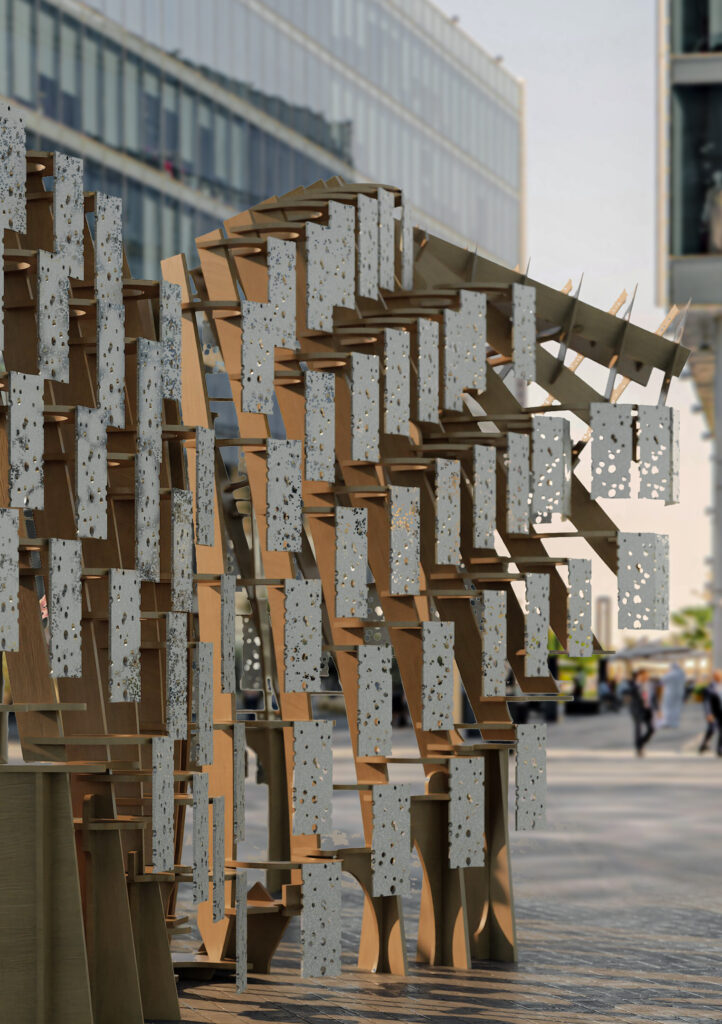
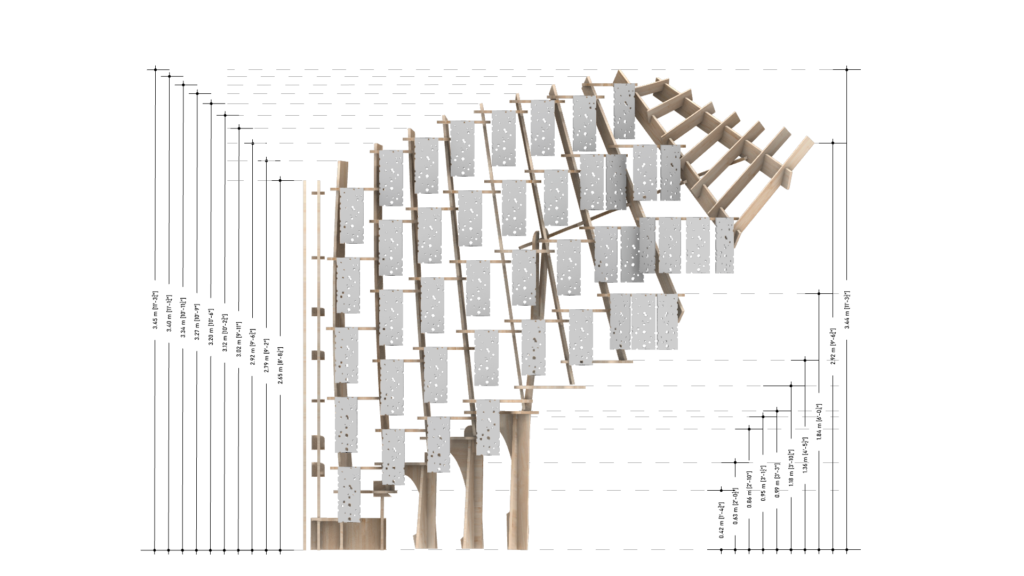
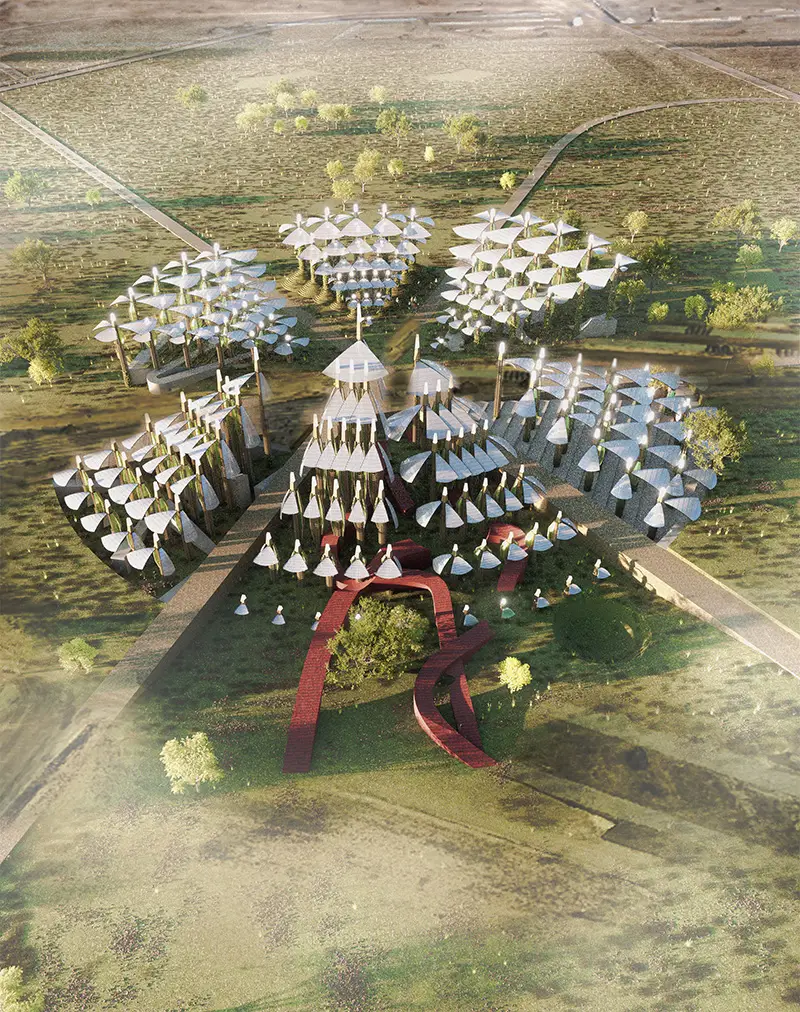
These cast aluminium plates, shaped by biological activity, now form the cladding of Synthetic Bloom. They are paired with CNC-milled composite wood modules that interlock to create the pavilion’s structural framework. Designed as an eight-part system forming a four-petal, flower-like configuration, the pavilion creates a porous spatial enclosure that encourages movement, gathering, and dialogue. Light and shadow animate its lace-like surfaces, allowing stories to emerge through collective occupation. Here, ornament becomes immersive rather than applied. It is embedded within structure, process, and performance simultaneously. While the form draws from traditional floral motifs, it is digitally evolved and algorithmically assembled—pointing toward a post-anthropocentric design ethic where materials, data, and ecological systems act as co-authors.
These cast aluminium plates, shaped by biological activity, now form the cladding of Synthetic Bloom. They are paired with CNC-milled composite wood modules that interlock to create the pavilion’s structural framework. Designed as an eight-part system forming a four-petal, flower-like configuration, the pavilion creates a porous spatial enclosure that encourages movement, gathering, and dialogue. Light and shadow animate its lace-like surfaces, allowing stories to emerge through collective occupation. Here, ornament becomes immersive rather than applied. It is embedded within structure, process, and performance simultaneously. While the form draws from traditional floral motifs, it is digitally evolved and algorithmically assembled—pointing toward a post-anthropocentric design ethic where materials, data, and ecological systems act as co-authors.