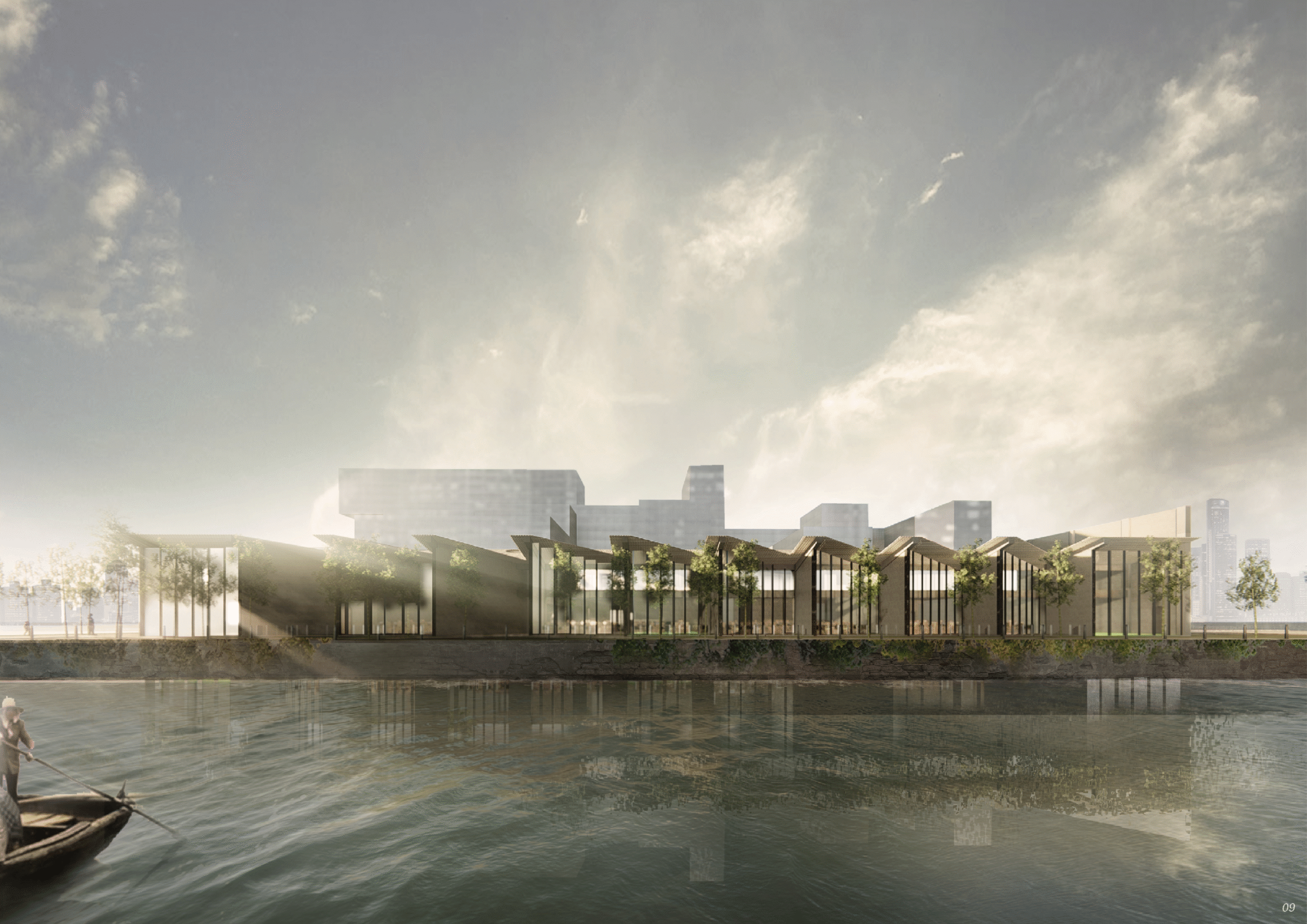
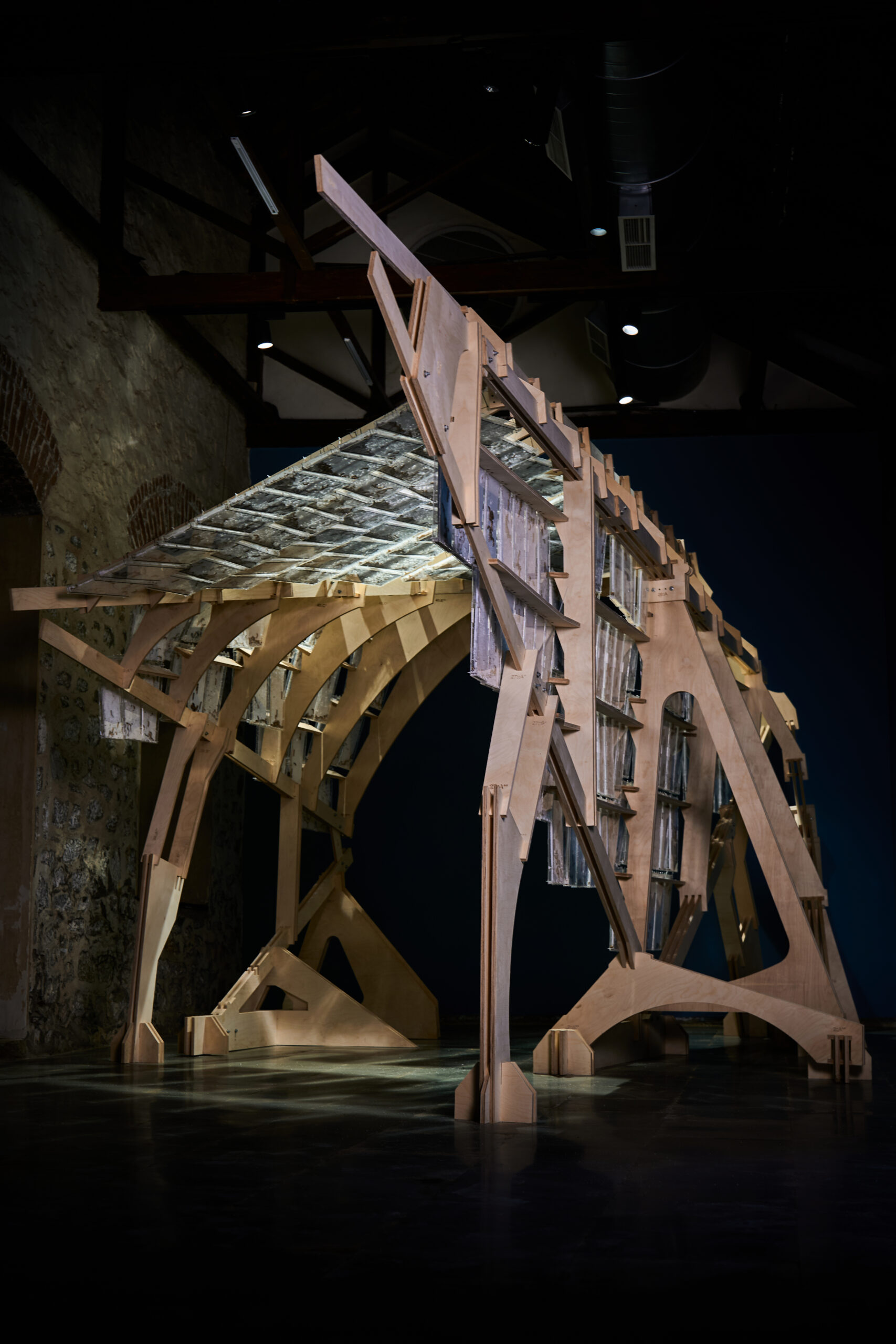
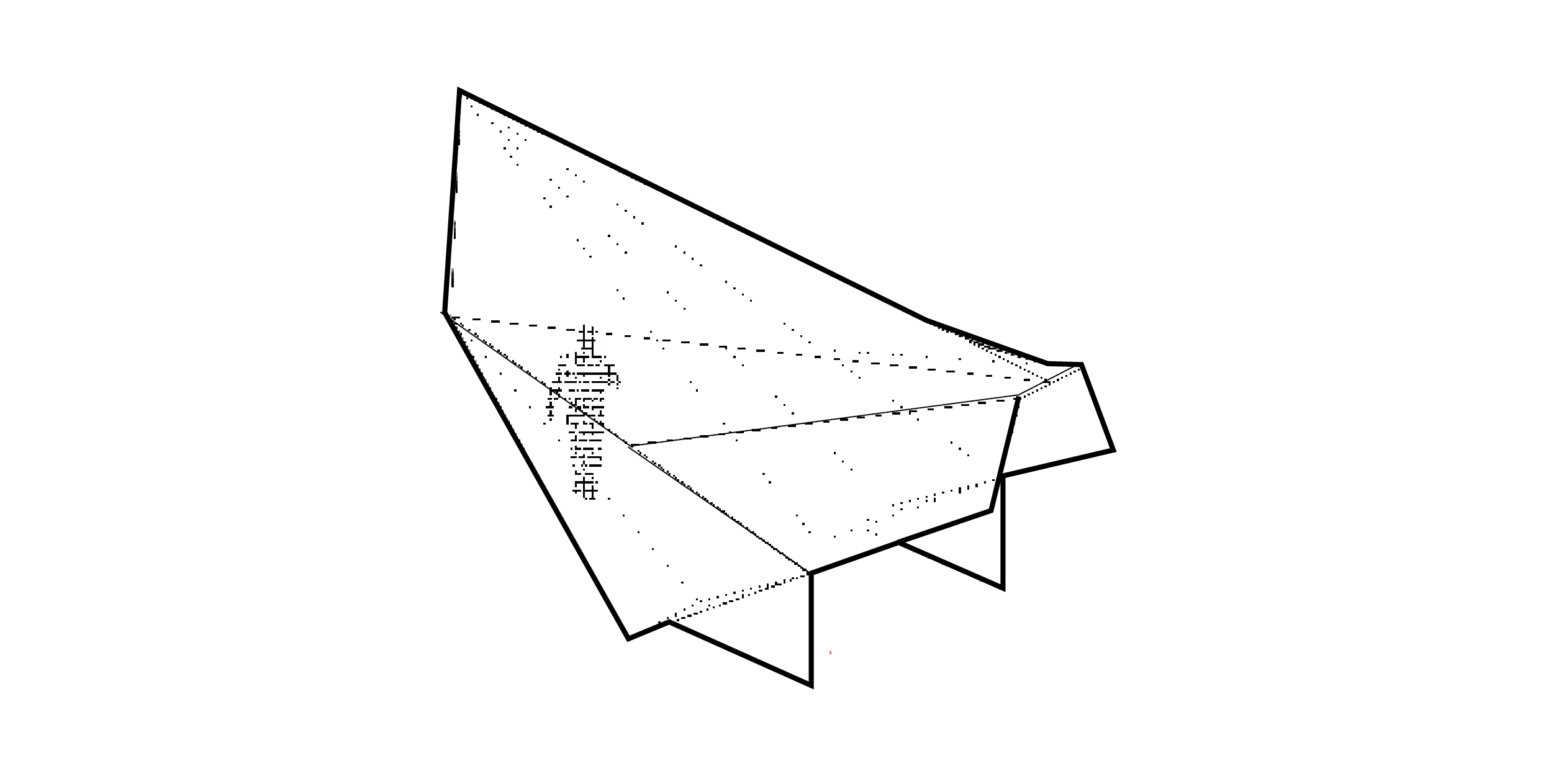
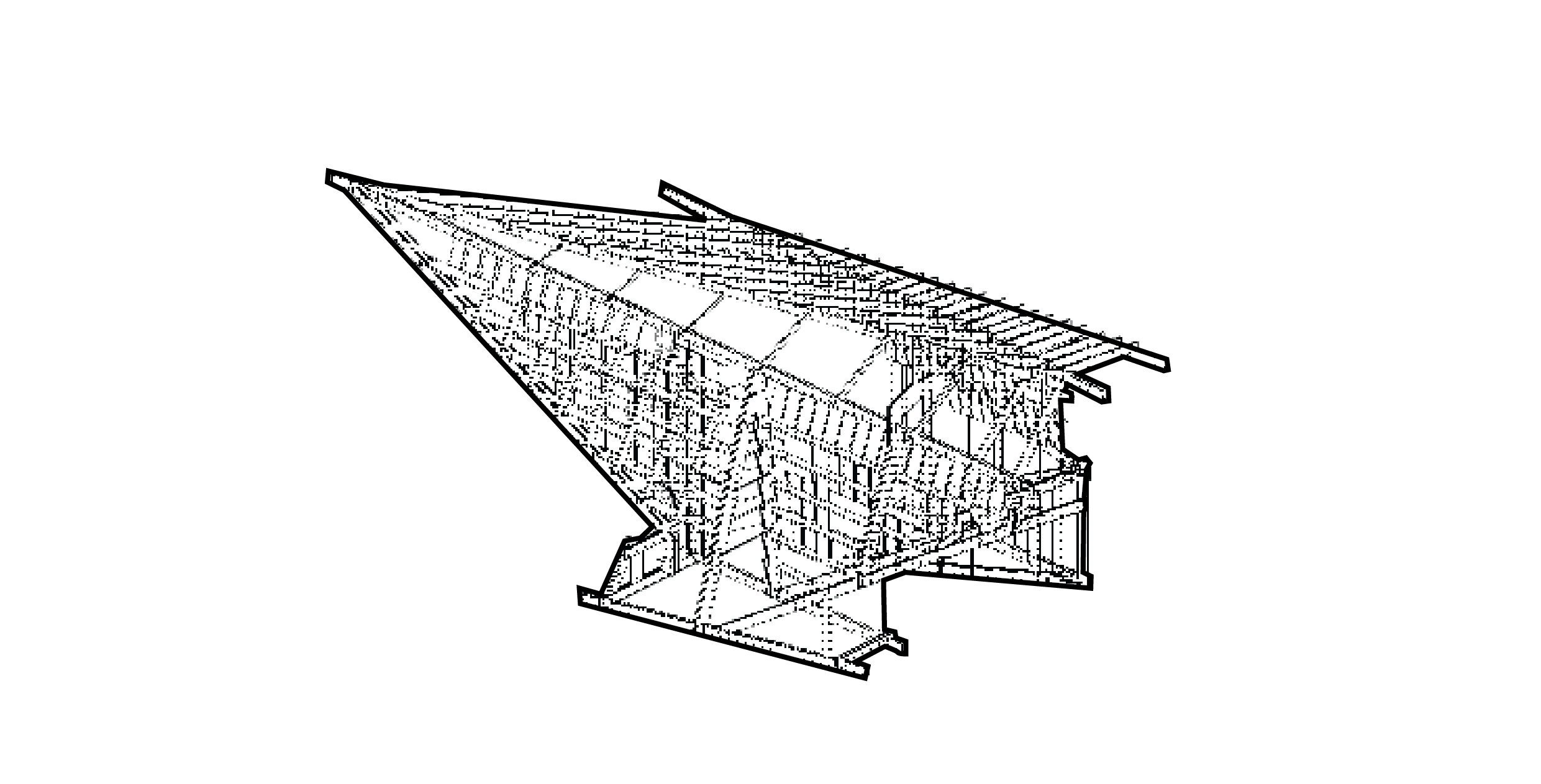
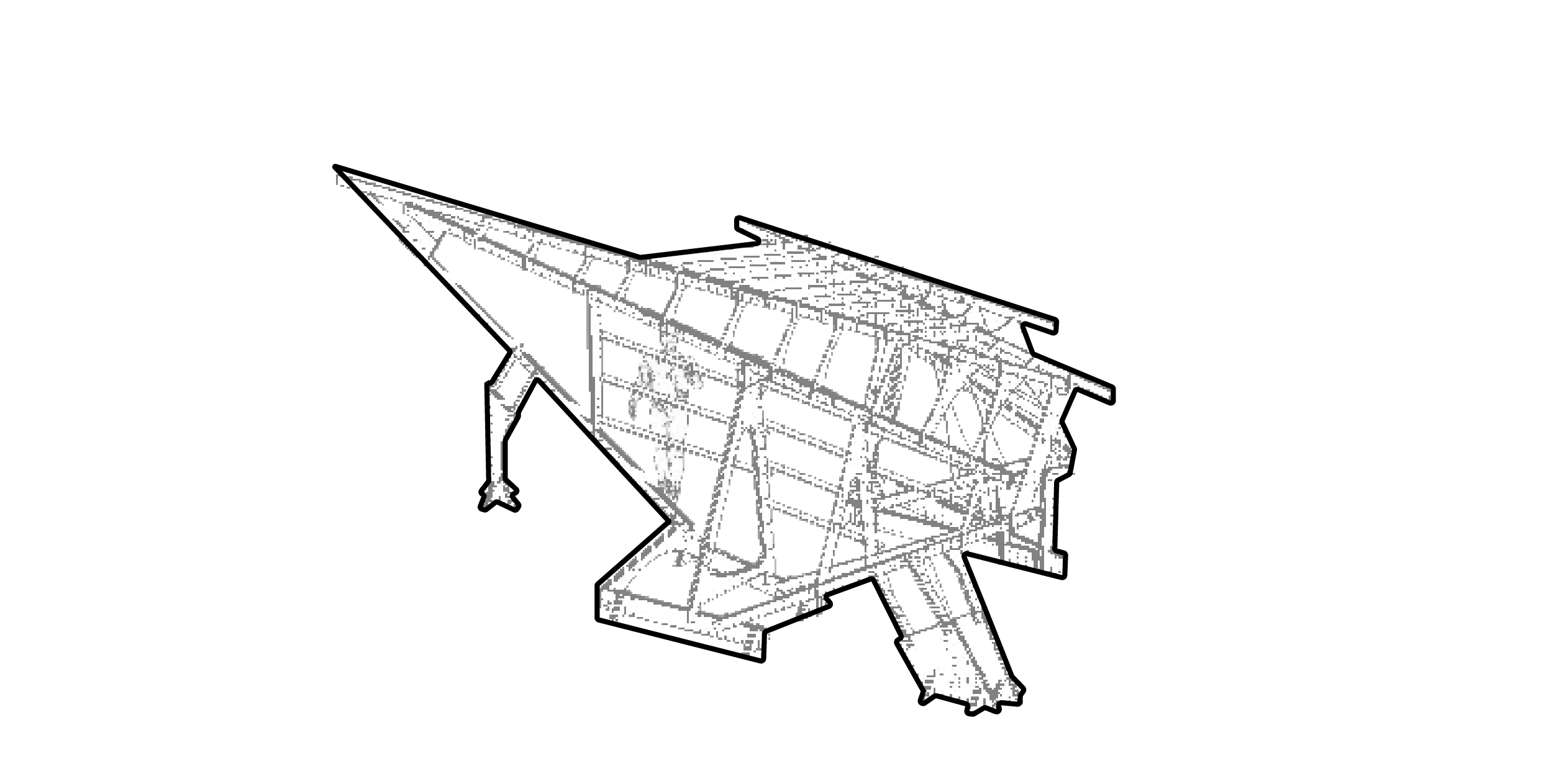
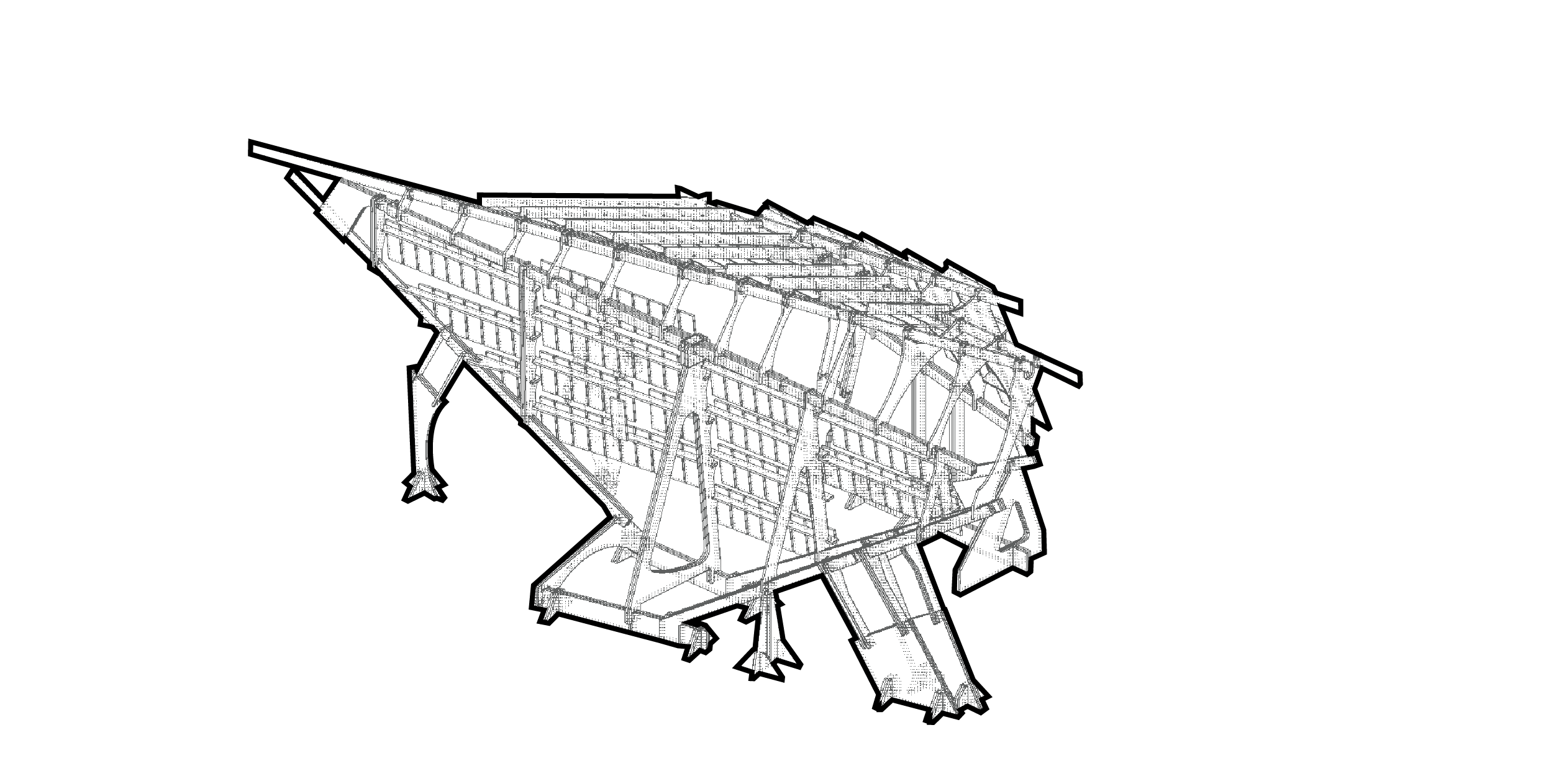
Factory 5.0 is a pioneering architectural installation. It was conceived by Studio Aditya Mandlik. This installation interrogates the evolving relationship between human innovation and biological processes. The context is sustainable design. The pavilion is located within a historic mill dating back to the First Industrial Revolution in Mumbai. This marks a critical juncture as we transition into the Fifth Industrial Revolution. This new era is characterized by the integration of human and non-human intelligence. The installation serves as a speculative model for a post-anthropocentric future. It emphasizes the need for more symbiotic relationships between architecture, ecology, and the broader urban environment.
The pavilion is composed of 546 digitally fabricated components and 210 Styrofoam plates. These elements are intentionally subjected to biological decomposition. This process is conducted by 10,000 king worms housed in transparent acrylic containers. These worms act as agents of material transformation, decomposing the Styrofoam plates over time. This process introduces an evolving spatial configuration. The interaction between light and shadow occurs through the gradual decay of the material. Curating this decomposition deliberately challenges traditional architectural paradigms of permanence. It questions control and static form. Instead, it positions architecture as an adaptive, living system.
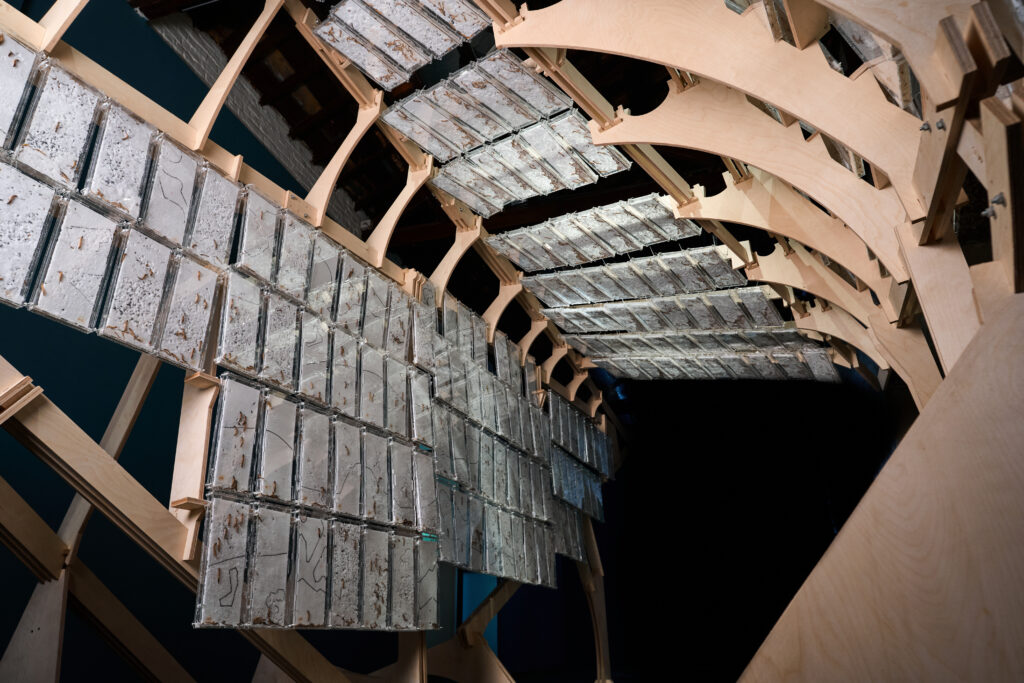
A Framework for Disassembly and Regenerative Design
Central to the pavilion’s conceptual framework is its design for disassembly. This strategy underscores the impermanence of the built environment. It promotes sustainability through adaptability. Upon the conclusion of the exhibition, the pavilion’s components will be repurposed, ensuring the continuation of their material life-cycle. The decomposed Styrofoam plates will be preserved as ‘objects of memory’, serving as physical remnants of the pavilion’s temporal transformation. This approach is deeply aligned with the principles of regenerative design. These principles advocate for systems that are capable of renewal. They contrast with the linear, consumption-based models that dominate contemporary architectural practice.
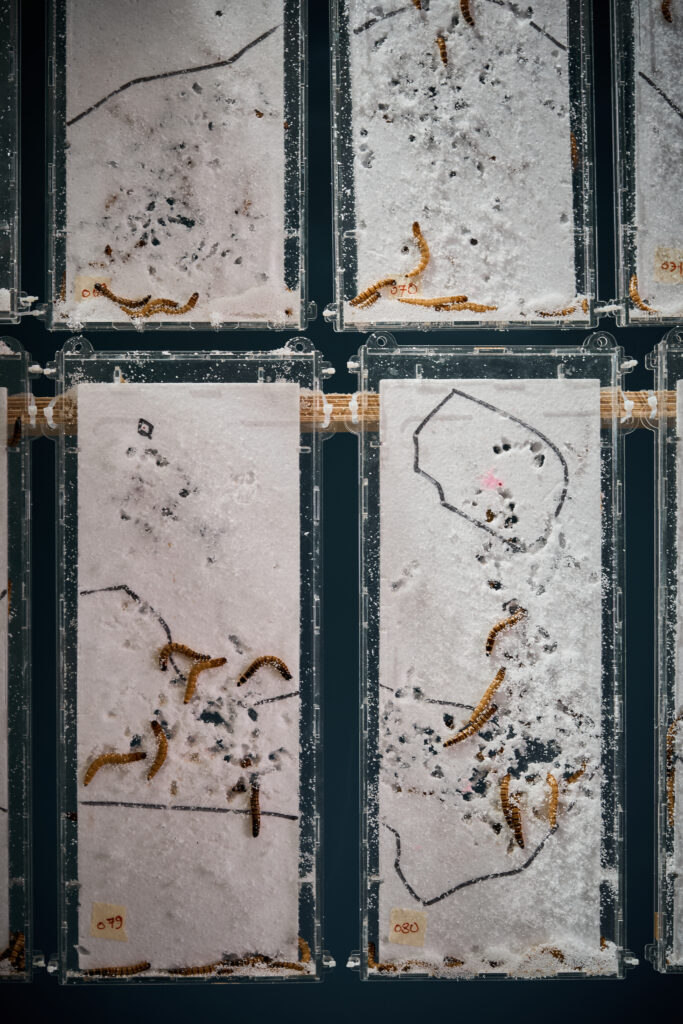
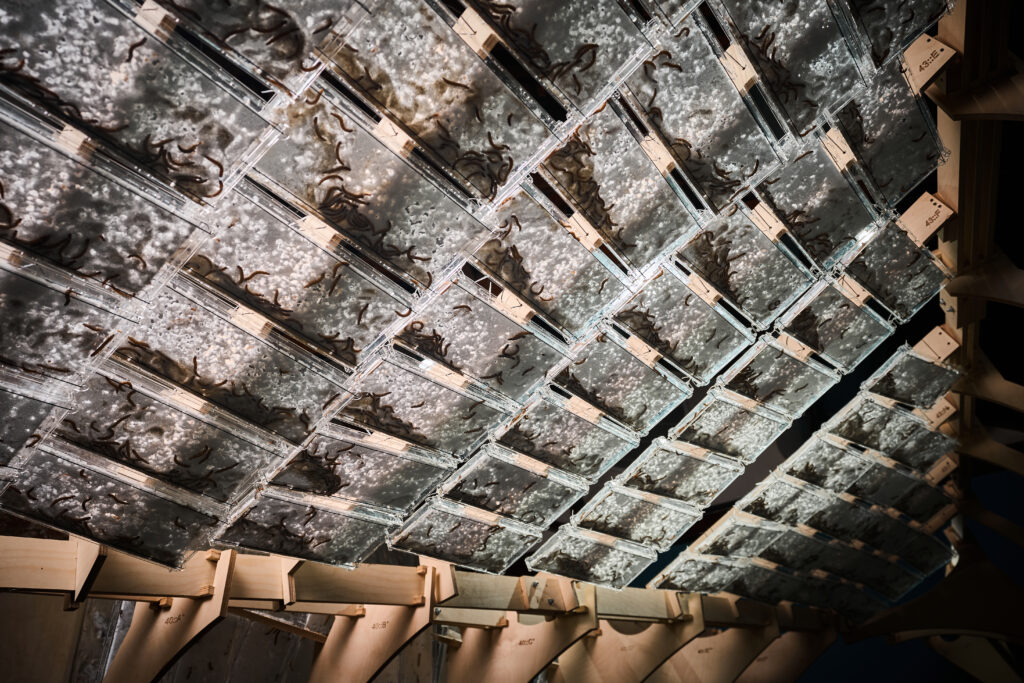
The Pavilion as a Dynamic, Metabolic Entity
The pavilion transforms continuously during the exhibition. It undergoes a series of material transformations. This reinforces its role as a dynamic, metabolic entity. The kingworms actively decompose the structure. As a result, the pavilion’s form is in constant flux. This provides visitors with an opportunity to engage with a living architectural system. This ongoing transformation offers a speculative glimpse into the future of urban production. In this future, human and non-human intelligence collaborate to generate adaptive outcomes. These outcomes are sustainable. The decomposition process itself becomes a metaphor for architectural processes rooted in ecological principles. Growth, decay, and regeneration are seen as interconnected, cyclical phenomena.
Post-Anthropocentric Futures in Architecture
The Factory 5.0 pavilion is part of the post-anthropocentric architecture discourse. It envisions a future where design practices follow ecological cycles. These practices move away from human-centric imperatives. By embracing biological processes as co-creators, the pavilion suggests a shared architectural production model. This model increasingly blurs the boundaries between nature and the built environment. This speculative approach challenges the dominance of human rationality in shaping the urban landscape. It encourages a shift towards a more integrated and collaborative model of design. This model prioritizes sustainability and ecological harmony.
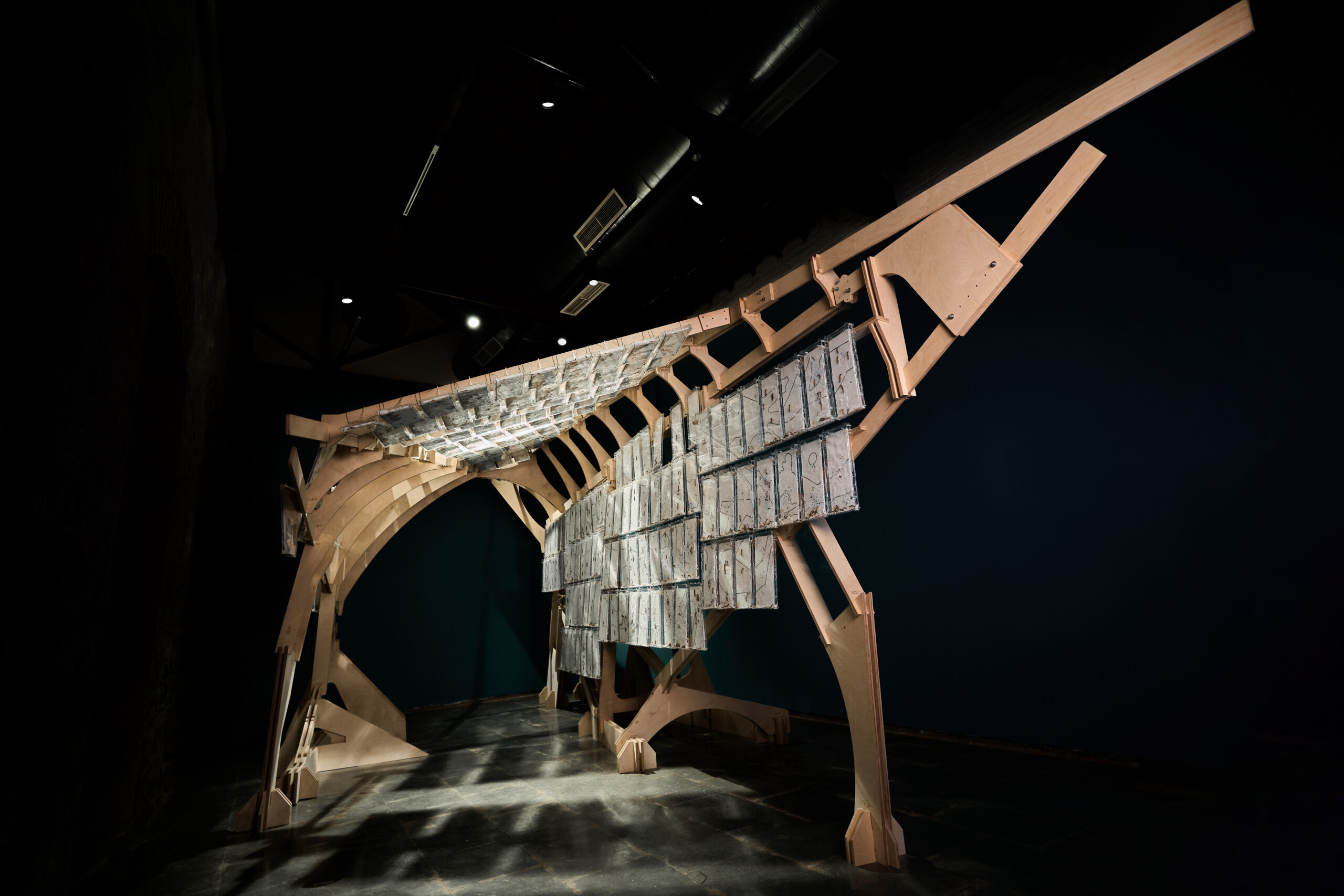
Located in Mumbai, Factory 5.0 offers a critical reflection on the role of architecture. This happens in the context of the Fifth Industrial Revolution. Here, technological and biological intelligence converge. The pavilion fosters a dialogue between human design and natural systems. It illuminates the potential for regenerative architectural practices that align with broader environmental and societal goals. This contributes to the re-imagination of future cities as sustainable, interconnected ecosystems.
PRESS KIT FOR FACTORY 5.0 – DOWNLOAD HERE